The slop before the slop.
We analyzed 20 different consulting websites before and after 2022 to see how they're scrambling to push AI.
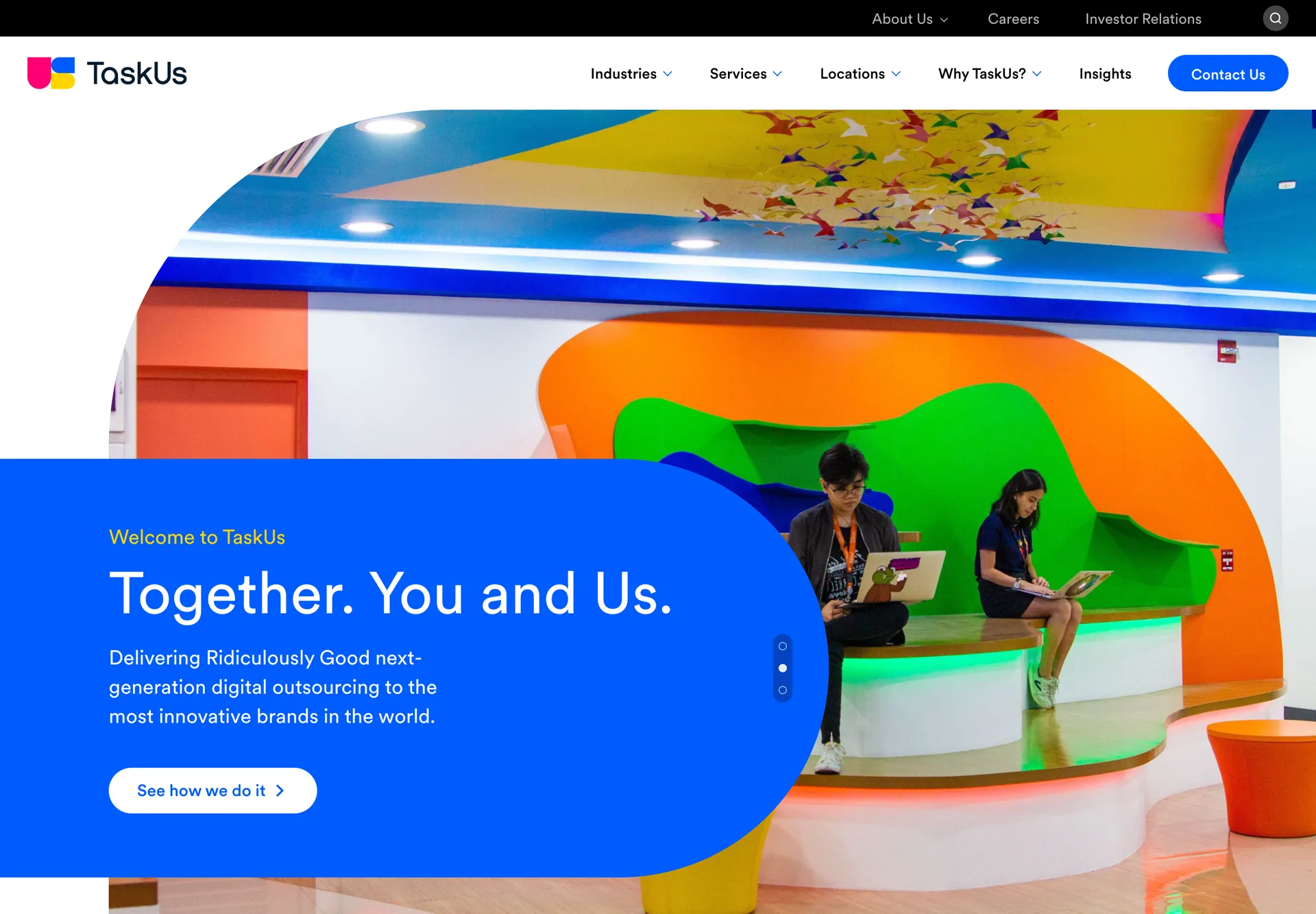
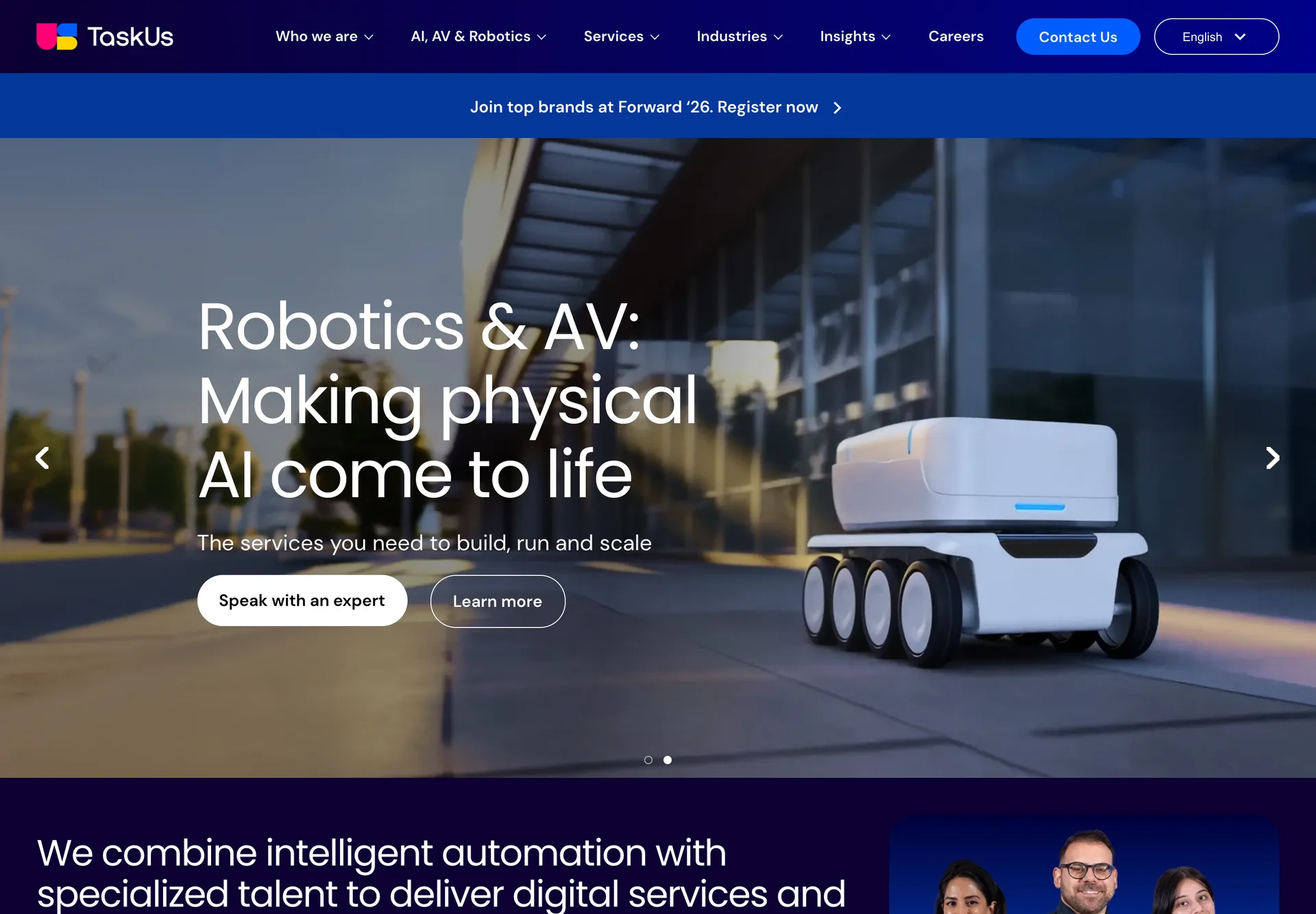
Complaints about AI slop are everywhere now: generated images, interchangeable LinkedIn posts, and copy that sounds assured while saying very little. Anyone who has bought services from a consultancy or an outsourcing firm will recognise the style, because it was on their websites long before generative models arrived.
In 2021 the typical homepage for a services firm featured stock photography of smiling employees, a slogan about partnership, and a carousel promising end-to-end solutions and best-in-class delivery. The wording was careful enough to sit on almost any competitor's site, which made it hard for a buyer to learn anything specific from it.
To see how that style has adapted, we used the Wayback Machine to compare the homepages of 20 consulting, IT services and BPO firms in mid-2021 with the same pages today.
2021 slop
- End-to-end solutions
- Digital transformation
- Best-in-class
- Leverage synergies
- Stock photo: headset, smile
2026 slop
- Agentic transformation
- AI-first operating model
- Autonomous enterprise
- Reinvention, powered by AI
- Stock render: glowing glass and robots
Across those twenty homepages, mentions of “AI” or “artificial intelligence” went from 53 to 353, and mentions of “agent” or “agentic” went from 7 to 46. Mentions of AI per 1,000 words went from 1.8 to 20, on homepages that got 40% shorter.
At Sweat AI, we believe people are at the heart of any “agentification” process. In financial back-office work, automation begins with human review: someone has to understand the cases, judge the exceptions and decide what can safely be handed to software. That's why we ship great software with great people.